

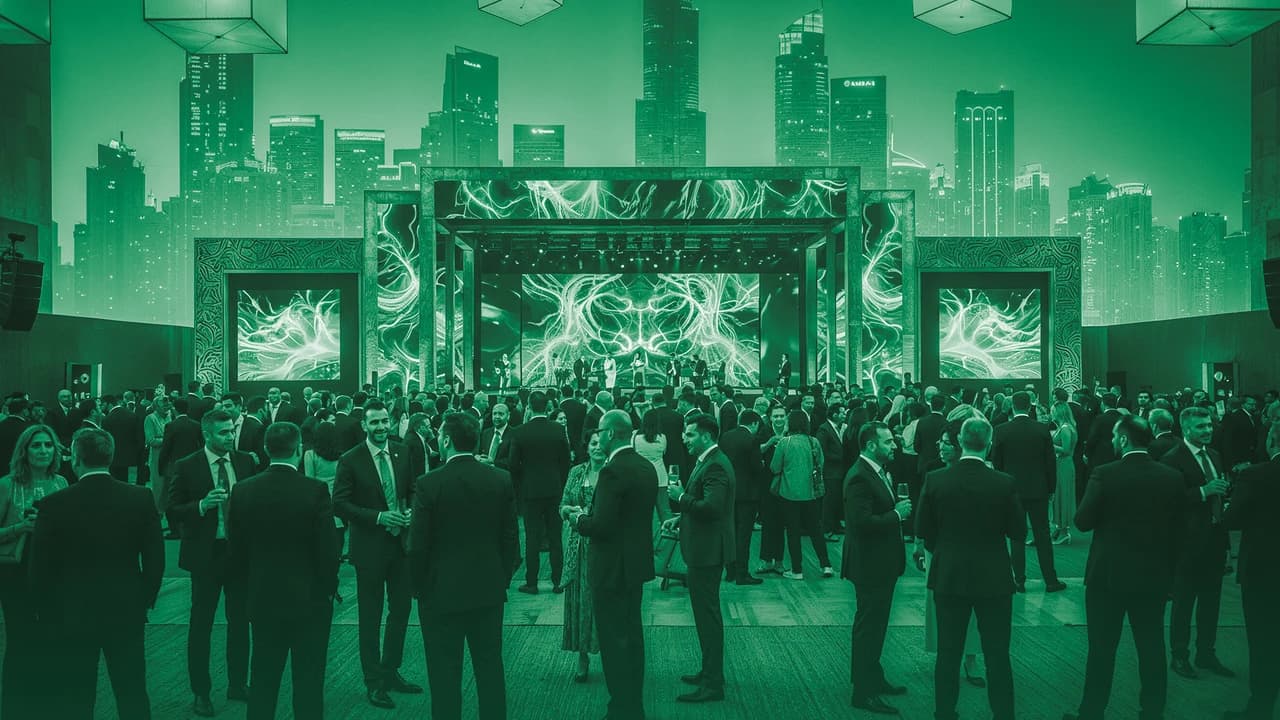
When you think of sponsorship, what comes to mind first? Maybe it’s a company logo on the backdrop of a sports event, a brand name on a cultural festival, or an organization proudly supporting a sustainability initiative. All of those are true, but sponsorship goes deeper than that. It’s not just about putting your name in front of an audience, it’s about making connections, building trust, and driving sales.
In a city like Dubai, where opportunities are everywhere and competition is fierce, sponsorship has become a powerful way for brands to stand out. More importantly, it’s a way to turn visibility into measurable results. At Pella Dynamics, we’ve seen first-hand how thoughtful sponsorship strategies contribute directly to commercial growth, especially when paired with Reputation Management, Digital PR, and Public Communications.
So, how exactly does sponsorship contribute to sales? Let’s take a closer look.
Sponsorship Beyond Visibility
Many people still think of sponsorship as a way to “get your logo out there.” And yes, visibility plays a role. After all, a brand can’t influence decisions if no one has heard of it. But here’s the truth, being seen is only the first step. Visibility alone rarely convinces someone to make a purchase. What truly drives buying decisions is the sense of connection, trust, and shared values between a brand and its audience.
Consumers today are more discerning than ever. They want to engage with companies that stand for something meaningful, brands that show commitment not just to selling products but to contributing positively to the world around them. Sponsorship provides exactly that. It goes beyond exposure by adding depth and credibility to your brand story.
When a company sponsors a sustainability summit, for example, it tells audiences that environmental responsibility isn’t just a marketing phrase, it’s a priority woven into the brand’s identity. A partnership with a youth development program signals a commitment to the next generation, creating goodwill not only among the young people directly impacted but also their families, communities, and even investors who care about long-term vision. Supporting a global business forum demonstrates leadership and a willingness to be part of the important conversations that shape industries.
Pella Dynamics · PR Agency
Talk to our Digital PR team
We build narrative authority for brands across MENA and beyond. Let us shape how your audience sees you.

Why Trust Matters for Sales
Think about the way we make decisions in everyday life. If a friend recommends a restaurant, we’re far more likely to try it. If a colleague vouches for a service, we approach it with confidence. Trust shapes our choices, often more than price or convenience. The same logic applies in business. When people trust a brand, they’re not only more inclined to make that first purchase, they’re also more likely to stay loyal and become advocates who recommend it to others.
This is where sponsorship plays a powerful role. Sponsorship contributes to sales by creating an environment of credibility and reliability. When audiences see your brand aligned with respected institutions, cultural initiatives, or major international events, they instinctively transfer some of that trust to you. In their minds, if you’re trusted enough to stand alongside those names, then you must be credible too.
That credibility removes friction from the buying process. Instead of wondering, “Can I trust this company?” the question shifts to, “Which product or service of theirs do I want to try first?” Decisions happen faster, with less hesitation, because sponsorship has already done the heavy lifting of building trust. See how trust drives reputation in Corporate Communication Strategy.
The Many Ways Sponsorship Drives Sales
Let’s get practical. Here are the key ways sponsorship impacts sales, both directly and indirectly:
1. Expanding Reach to Target Audiences
Sponsorships put you right where your audience already is. Whether that’s a trade fair full of industry leaders, a cultural festival buzzing with families, or a sporting event packed with young fans, you’re reaching people in the right mindset. Unlike generic advertising, sponsorship aligns you with events they’ve chosen to attend and experiences they value.
2. Creating Emotional Engagement
When people attend a concert, festival, or conference, they’re already emotionally invested. By sponsoring those experiences, your brand becomes part of their memory. That emotional connection is much stronger than seeing an ad on a billboard. And emotional connections? They’re one of the strongest drivers of loyalty and repeat purchases.
3. Improving Brand Perception
A well-chosen sponsorship enhances how people view your brand. It positions you as responsible, innovative, or socially conscious, qualities that influence buying decisions. Remember, people don’t just buy products, they buy into brands.
4. Supporting Sales Teams
Sponsorships often generate press coverage, social media buzz, and other visibility assets. Sales teams can leverage this in conversations: “We were sponsors of this event” is a powerful credibility booster when talking to clients.
5. Generating Leads and Opportunities
Many sponsorships include access to attendee lists, networking sessions, or direct exposure at booths and stages. These interactions often create leads that convert into real business opportunities.
Real-Life Examples from Dubai
Let’s bring it to life with some scenarios:
- Luxury Brands: When a luxury label sponsors a high-end fashion event in Dubai, it reaches an audience already primed for exclusivity and quality. That exposure often translates into new sales and stronger customer loyalty.
- Tech Companies: A technology firm sponsoring an innovation conference is seen as part of the future of business. This credibility leads to more inquiries, stronger partnerships, and faster sales cycles.
- Consumer Goods: A food or beverage company sponsoring a family-oriented cultural festival creates a direct connection to buyers. It’s not just awareness, it’s sampling, experience, and conversion.
How Sponsorship Works Hand in Hand with PR
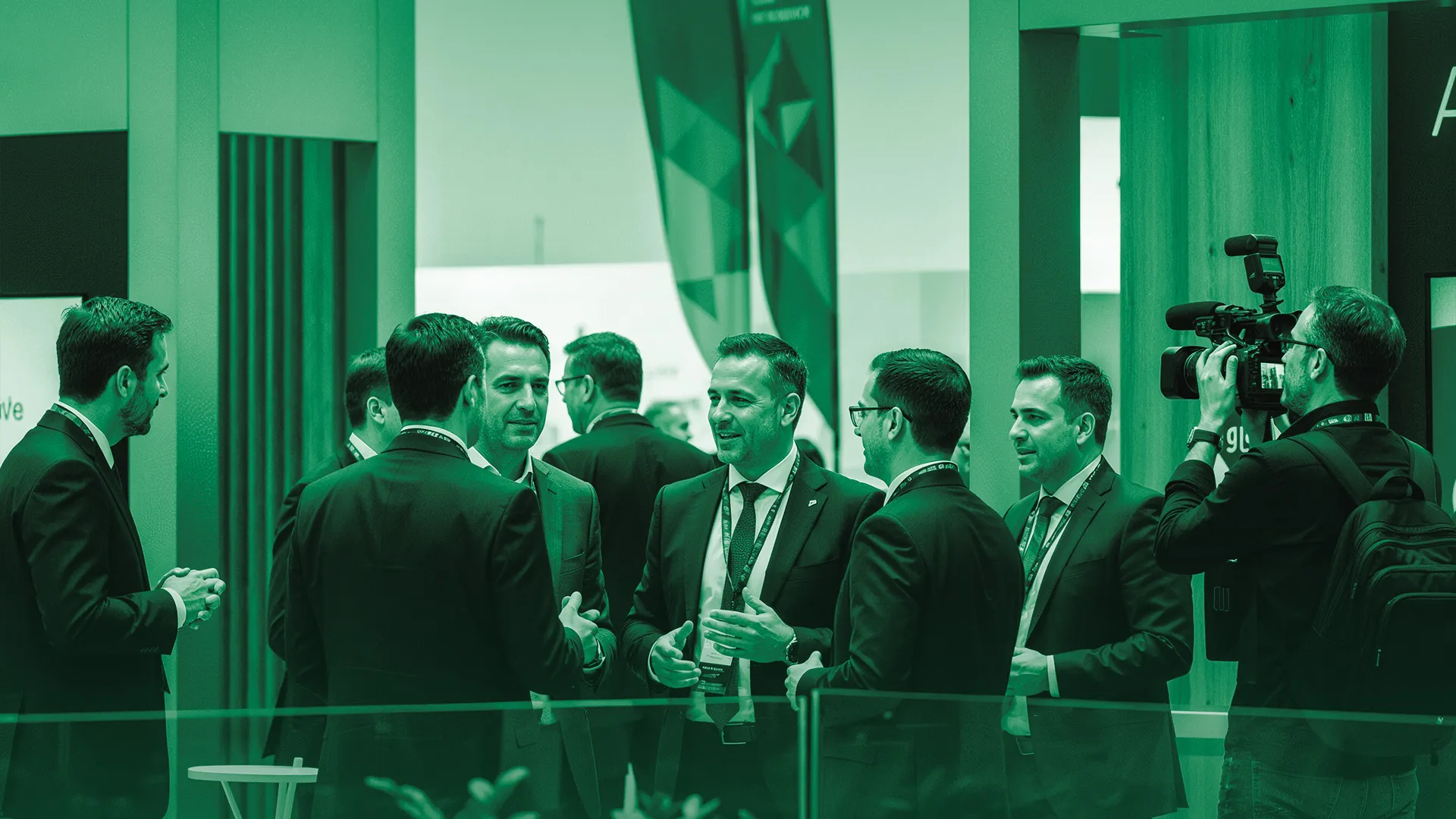
Sponsorship creates real impact when it’s part of a bigger PR picture. Instead of treating it as a one-off expense, it works best when woven into a wider communication strategy that builds reputation, trust, and sales. At Pella Dynamics, we make sure every sponsorship is amplified across multiple touchpoints, so its value lasts long after the event ends.
- Crisis Management keeps sponsorships protected during sensitive moments and ensures associations remain positive.
- Corporate Social Responsibility (CSR) connects sponsorships with purpose-driven initiatives that audiences respect and admire.
- Media Relations secure coverage across TV, print, and digital platforms, turning sponsorships into stories that reach beyond attendees.
- Leadership Communication gives leaders a platform to share values and vision during sponsored events, adding authenticity and authority.
By weaving sponsorship into these strategies, every dollar works harder. The immediate outcome is stronger visibility, but the long-term value lies in building credibility, deepening trust, and creating sales opportunities that continue to grow.
Measuring the ROI: Sales and Beyond
Whenever businesses consider investing in sponsorships, one of the first questions is always the same: how do we measure success? The truth is, sponsorship ROI can’t be boiled down to a single number. Yes, revenue is an important piece of the puzzle, but the return goes far beyond immediate sales. Sponsorships deliver value in visibility, reputation, trust, and long-term relationships that ultimately fuel commercial growth.
To understand the impact clearly, brands can track a mix of quantitative and qualitative metrics:
- Increase in sales inquiries during and after the sponsorship, showing how visibility translates into real commercial interest.
- Growth in website traffic directly tied to event exposure, press coverage, or online conversations connected to the sponsorship.
- Boost in brand preference and customer loyalty, measured through post-event surveys or customer feedback.
- Media coverage and social media engagement that amplify the sponsorship well beyond the event itself and keep the brand in the spotlight.
- Lead generation and partnerships, especially for B2B brands that sponsor trade fairs or industry events.
- Employee engagement and pride, which are often overlooked but contribute to stronger performance and advocacy inside the company.
When sponsorships are executed strategically, the benefits compound. A single partnership might generate immediate inquiries, but the long-term story, credibility, recognition, and trust, creates a foundation that supports ongoing sales growth.
In markets like Dubai, where competition is strong and audiences are highly attentive to brand behavior, these metrics are especially important. They show not only that sponsorships work, but that they help build reputations and relationships that directly impact the bottom line.
The Long-Term Impact on Sales
One of the most powerful aspects of sponsorship is its long-term influence. Unlike a one-off advertisement that fades quickly, sponsorships create memories and associations that last.
Think of a company that has consistently sponsored cultural festivals in Dubai. Over the years, audiences no longer see the brand as just a participant. They see it as a cultural contributor. That perception leads to loyalty, advocacy, and repeat purchases.
In the long run, sponsorship contributes to sales by making the brand part of people’s lives, not just part of their shopping list.
Why Sponsorship Works So Well in Dubai
Dubai is unlike any other city when it comes to sponsorship opportunities. It’s a hub where global conferences, high-profile exhibitions, cultural festivals, and world-class sporting events converge on a single stage. From the annual GITEX Technology Week to international art fairs and motorsport championships, the city offers brands countless ways to connect with audiences that are diverse, influential, and highly engaged.
But what makes Dubai even more unique is the mindset of its audiences. People here expect brands to go beyond promotion. They value authenticity, responsibility, and alignment with shared progress. It’s not enough for a company to simply be present, it needs to show commitment to something larger. That could be sustainability, cultural preservation, innovation, or social impact.
This is why sponsorships in Dubai carry more weight than in many other markets. They’re not just effective tools for visibility, they’re essential strategies for building trust and credibility. A brand sponsoring a sustainability project here isn’t just creating awareness, it’s proving it has a role in shaping the future. A partnership with a cultural initiative doesn’t just entertain audiences, it demonstrates respect for heritage and community.
The Future of Sponsorship and Sales
The role of sponsorship in business growth is only going to expand. Looking ahead, partnerships will become more digital, more data-driven, and more purpose-led. Gone are the days when sponsoring an event meant just a logo on a banner. Now, every sponsorship is part of a bigger story that connects with audiences across multiple touchpoints and contributes directly to sales.
Technology will be at the heart of this transformation. Brands will rely on advanced analytics, AI-driven tools, and social listening platforms to measure impact with precision. Instead of vague metrics, companies will be able to see exactly how a sponsorship influenced customer journeys, from first awareness to final purchase. This will give sales teams a powerful advantage, turning sponsorships into measurable sales pipelines rather than abstract marketing expenses.
At the same time, audiences will continue to raise their expectations. People want brands to be authentic, transparent, and responsible in the partnerships they choose. Sponsorship contributes to sales most effectively when it aligns with causes people care about—sustainability, youth empowerment, cultural preservation, or innovation. In Dubai, where community values and global ambitions meet, purpose-led sponsorships will become not just effective but essential.
For sales teams, this evolution means sponsorships will serve as an even stronger tool. They won’t just provide visibility, they’ll generate actionable data, insights, and leads that help identify and convert potential customers. A sponsorship at a global conference in Dubai could generate hundreds of qualified B2B leads. A partnership with a cultural festival could open doors to new consumer markets, with sales growth driven by emotional connection and community trust.
This is why working with an experienced international PR agency in Dubai will remain critical. At Pella Dynamics best PR agency in Dubai, we guide brands to maximize both visibility and credibility by integrating sponsorship and collaborations with Digital PR, Reputation Management, and Leadership Communications. This ensures every sponsorship reflects innovation, authenticity, and measurable business value.
In the future, the brands that win will be those that use sponsorships not only as marketing opportunities but as strategic investments that deliver long-term trust, loyalty, and sales growth. With the right strategy, sponsorship will evolve into a cornerstone of reputation and revenue, especially in globally connected markets like Dubai.
To Sum Up
So, how does sponsorship contribute to sales? By blending visibility, trust, and authenticity into a powerful mix that directly influences buying decisions. Sponsorships show audiences what your brand stands for, create emotional connections that last, and provide credibility that accelerates conversions.
In Dubai, where competition is high and opportunities are global, sponsorships are not just nice to have, they are essential for brands that want to grow.
At Pella Dynamics, we specialize in sponsorship strategies that do more than get your name seen. By integrating sponsorship with Reputation Management, Digital PR, and Corporate Social Responsibility, we help brands turn partnerships into measurable business results. As a professional PR company in Dubai and an international PR agency, we make sure every sponsorship is meaningful, authentic, and effective.
About the Author
Atilla Furkan Aslan
Pella Dynamics
 +971 58 164 4290
 info@pelladynamics.com
