

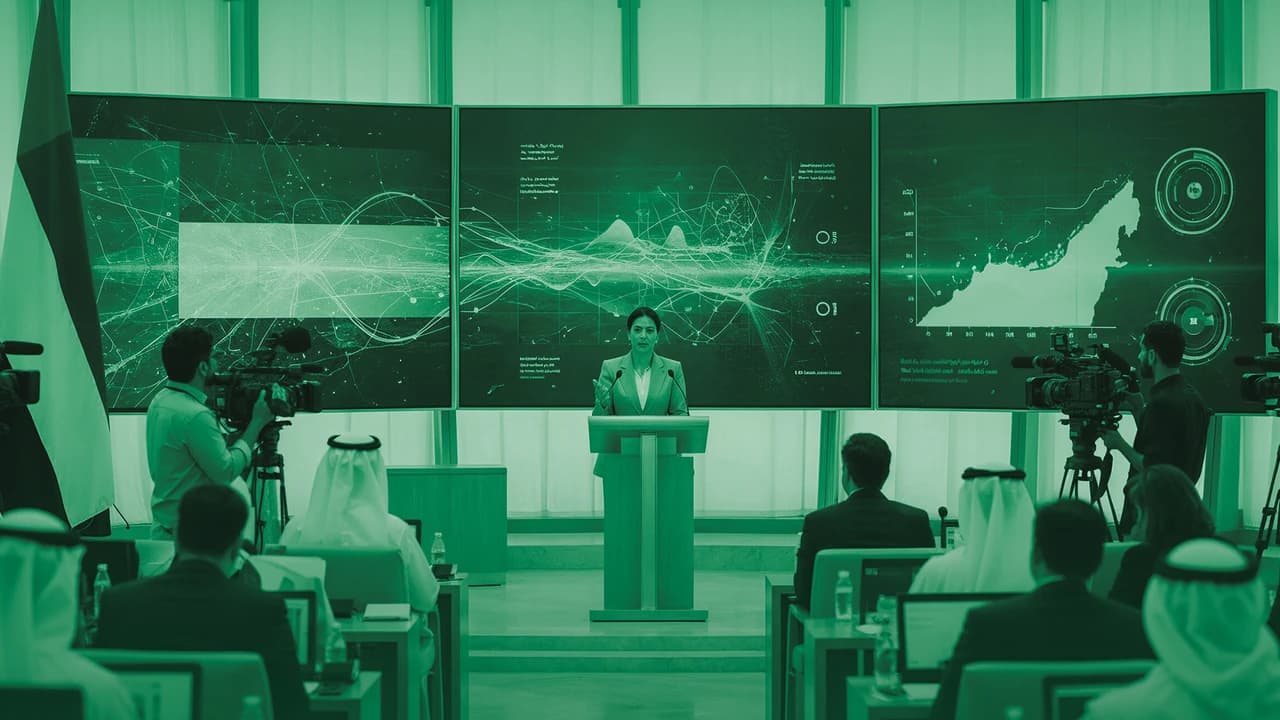
Crises don’t knock before they enter. Whether it's a health emergency, a natural disaster, political unrest, or just a wave of social media backlash, public institutions and governments are always at risk of being caught off guard. And in those moments, communication becomes everything.
In fact, how a government responds in the first few hours of a crisis often determines whether the public feels calm and informed or confused and fearful. That’s why crisis communication planning isn’t a “nice-to-have” anymore. It’s mission-critical.
But here's the thing: effective crisis communication doesn’t just come down to saying the right thing at the right time. It’s about preparation, structure, trust, and yes, strategy. It’s about having a plan that brings together public relations, internal coordination, and digital tools to keep things steady when everything around is shifting fast.
In this blog, we’ll unpack how crisis plans in public communication work, especially within the context of government and public relations. We’ll explore what makes them effective, how professional PR agency in Dubai support the process, and why the UAE in particular has become a standout in managing public crises with precision and poise.
Why Governments Need Strong Crisis Communication Plans
You might wonder, isn't crisis communication just another press conference or a social media statement? Not quite. When governments are the source of information, everything they say, or don’t say, carries weight. People expect transparency, empathy, and fast updates. One delay, or even a poorly worded sentence, can cause panic, mistrust, and even political consequences.
That’s why public institutions need solid, well-practiced crisis communication plans. These plans aren’t just for disaster scenarios, by the way. They’re for any situation where public confidence could be shaken, whether it's a cyber attack on a municipal system, a policy misstep, a scandal, or a regional emergency.
In the UAE, for example, the government has become known for its calm and professional approach to handling critical situations. Whether during the pandemic or during unexpected events like floods or air quality alerts, they’ve shown what thoughtful, well-coordinated communication looks like. It’s not by accident. It’s the result of careful planning and collaboration with professional PR agencies and digital communication experts.
Pella Dynamics · PR Agency
Talk to our Digital PR team
We build narrative authority for brands across MENA and beyond. Let us shape how your audience sees you.

What a Government Crisis Communication Plan Actually Includes
Let’s walk through what a strong public sector crisis plan should include. This isn’t just theory, it’s practical stuff that real institutions use to stay ahead when the pressure’s on.
1. Risk Assessment and Scenario Planning
First, you need to know what you’re planning for. Not all crises look the same, so the first step is to identify potential risks.
Ask questions like:
- What are the most likely scenarios we might face?
- Who would be impacted?
- What would the public expect us to say or do?
- What’s the worst-case communication challenge in each scenario?
From there, you can create response templates, draft initial messages, and identify who needs to be looped in if one of these risks becomes reality.
2. A Clearly Defined Crisis Response Team
Ever seen a government issue five different statements from five different departments? That’s what happens when there's no structure. A good plan clearly lays out:
- Who speaks to the public
- Who monitors media and public sentiment
- Who crafts the messaging
- Who handles internal coordination
The team should include communication experts, advisors, legal counsel, and, ideally, a trusted PR company in Dubai that understands the region’s media landscape and public behavior.
3. Messaging Framework
It’s not enough to have a good message. You need a consistent tone, accurate facts, and timely delivery. A framework helps answer questions like:
- What’s our tone, empathetic, factual, urgent?
- How do we ensure clarity without creating fear?
- Do we need translations for diverse communities?
- How can we simplify complex information for the general public?
When a crisis hits, there’s no time to guess. Pre-approved messaging templates save precious time and ensure unity.
4. Media Strategy and Engagement Plan
The media plays a huge role in how a crisis unfolds in public perception. Governments must work closely with journalists, broadcasters, and digital platforms to make sure accurate information is available and widely distributed.
This involves:
- Scheduled briefings
- Media kits
- Pre-prepared Q&A sheets
- One-on-one access to spokespeople
With deep roots in the UAE and a strong global network, Pella Dynamics combines local insight with international standards. As a trusted digital PR agency and government communication partner, we help public bodies stay ahead of the narrative, manage digital platforms effectively, and maintain control during fast-moving events.
5. Real-Time Monitoring and Feedback Loops
One of the most dangerous things during a crisis? Misinformation. And in today’s world, it spreads fast. Having a system to track social media trends, news reports, and public sentiment is non-negotiable.
Agencies use media monitoring tools, dashboards, and keyword alerts to keep tabs on:
- Rumors
- Public complaints
- Changes in tone
- Opportunities to clarify or respond
This allows your team to adjust messaging in real time, correct misunderstandings, and show responsiveness, which builds trust.
6. Post-Crisis Communication and Public Accountability
A crisis doesn’t end when the news cycle moves on. People want closure, explanations, and action.
A post-crisis plan includes:
- Public statements about lessons learned
- Transparency reports
- Town halls or community briefings
- Rebuilding campaigns
- Reputational repair, if needed
This is where a professional PR agency becomes critical. They help shape the narrative from damage control to recovery and even progress.

The UAE as a Model for Government Crisis Communication
Let’s give credit where it’s due. The UAE has quietly built one of the most sophisticated public communication ecosystems in the region. During the COVID-19 pandemic, their messaging was consistent, multilingual, and science-based. There were:
- Daily briefings with visual updates
- Clear, empathetic tone across ministries
- Mobile alerts for new rules and regulations
- Transparency about case numbers, policy changes, and safety measures
This didn’t happen by chance. It involved coordination between ministries, media outlets, PR experts, and digital teams. It also showed how collaboration with a reliable PR company in Dubai or an international PR agency can support a government’s credibility in the eyes of its people and the world.
The Human Side of Crisis Communication
Here’s something we often overlook in the rush to push out facts, manage headlines, and control narratives. Behind every message during a crisis, whether it’s a press conference, a government tweet, or a public service announcement, there are real people on the other end. People who might be frightened, overwhelmed, confused, or even angry. And in those moments, what they need most isn’t just information. They need reassurance. They need empathy. They need to know that someone, somewhere, is in control and actually cares.
This is why tone matters more than most leaders and spokespeople realize. It’s not enough to deliver data or issue instructions. The way you communicate is just as important as what you’re communicating.
A government that acknowledges fear, expresses understanding, and speaks with a human voice, rather than cold officialdom, can dramatically change how the public perceives the situation. Even in moments of uncertainty, clarity paired with compassion builds trust. And trust, during a crisis, is everything.
Think back to the height of the COVID-19 pandemic. People weren’t just glued to their screens for case numbers or lockdown updates. They were listening closely to tone, to body language, to the facial expressions of officials during press briefings. Were the speakers calm? Did they sound sincere? Were they transparent about what they knew and didn’t know? That emotional connection shaped how communities responded to rules, safety measures, and government decisions.
In contrast, when messaging feels robotic, cold, or defensive, people disengage. Worse, they stop trusting the source. And once public trust erodes, no amount of press statements can bring it back easily.
That’s why every government crisis management plan needs to include more than just facts and frameworks. It needs to include humanity. The people at the podium, behind the social media accounts, and drafting press releases need to be trained not just to speak, but to listen, to relate, and to lead with empathy.
Here’s what that looks like in action:
- Acknowledging the emotional toll of a crisis in your messaging
- Expressing gratitude for public cooperation and patience
- Avoiding overly technical language that alienates everyday people
- Sharing stories of community resilience or frontliners to uplift and connect
- Being honest when answers aren’t yet available, but offering reassurance that action is being taken
This human-centered approach is not a “soft” tactic. It’s a strategic necessity. People are more likely to follow guidance, respect decisions, and stay calm when they feel seen, heard, and respected.
In times of uncertainty, having the right guidance makes all the difference. At Pella Dynamics, the best PR agency in Dubai, we work closely with public institutions and government agencies to craft tailored crisis communication strategies that are built for real-world pressure
Crisis Communication in the Digital Age
It’s no longer enough to rely on TV or newspapers. People want information fast and they want it on their phones, in their language, and in formats they can easily understand.
That means:
- Posting updates on Instagram, Twitter, and WhatsApp
- Using videos, infographics, and voice messages
- Engaging in real-time conversations when possible
- Creating shareable content that spreads truth instead of confusion
A professional PR agency in Dubai brings this expertise, knowing how to cut through noise, optimize content, and keep the narrative aligned across every digital touchpoint.
To Sum Up
If there’s one thing we’ve learned from recent years, it’s that communication can make or break public communication trust. When things go wrong, people turn to their governments for answers, and it’s our job to make sure those answers come quickly, clearly, and compassionately.
A well-built crisis communication plan is more than a strategy. It’s a commitment. It says, “We are prepared. We care. And we’re here for you.”
And while every government must lead its own response, no one has to do it alone. Partnering with a trusted PR company in Dubai or an experienced international PR agency ensures that your communication is strong, smart, and aligned with what your citizens need most, clarity and confidence.
If your institution is ready to build a communication plan that holds up under pressure, visit Pella Dynamics to learn how we support governments, public organizations, and institutions with crisis planning that works in the real world.
Because when a crisis hits, the message matters. And how do you deliver it? That’s what defines you.
About the Author
Atilla Furkan Aslan
Pella Dynamics
 +971 58 164 4290
 info@pelladynamics.com
